The explorer’s actions have been scrutinized; less attention has been paid to his writings. USC’s Peter Mancall looks at what those writings reveal.
History
News Listing
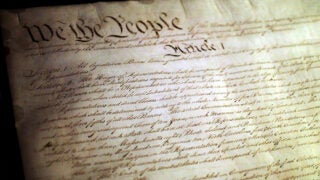
Congress designates Sept. 17 as a day to recognize the value and history of the guiding document.
As America celebrates 250 years of independence, USC Dornsife historians offer a broader view of when the Revolution began, when it ended and what it still means today.
USC Dornsife historian Steve Ross uncovers the forgotten story of civilian spies who infiltrated postwar Nazi and white supremacist groups — and risked their lives to stop them.
At the Smithsonian’s National Museum of African American History and Culture, Michelle Commander is preserving the truth of African American history and culture.
European colonial powers linked church and state. But the founders of the United States broke from that idea as surely as they broke from Britain.
Survival as a colonist meant enduring hard labor and rigid hierarchies in a rural world shaped by inequality and lack of privacy. USC Dornsife experts explain.
The United States boasts the largest economy in the world. What makes America’s financial engine so powerful, and will the country stay in first place?
The English assumed people they colonized would convert to their way of life, including Protestant Christianity — an assumption reflected in Pocahontas’ portrait. USC’s Peter Mancall explains.
STORY, PHOTOS and VIDEO: “These are old documents, but they are still alive in a way,” says USC doctoral student Sharon Salgado Martinez.